
Choose options


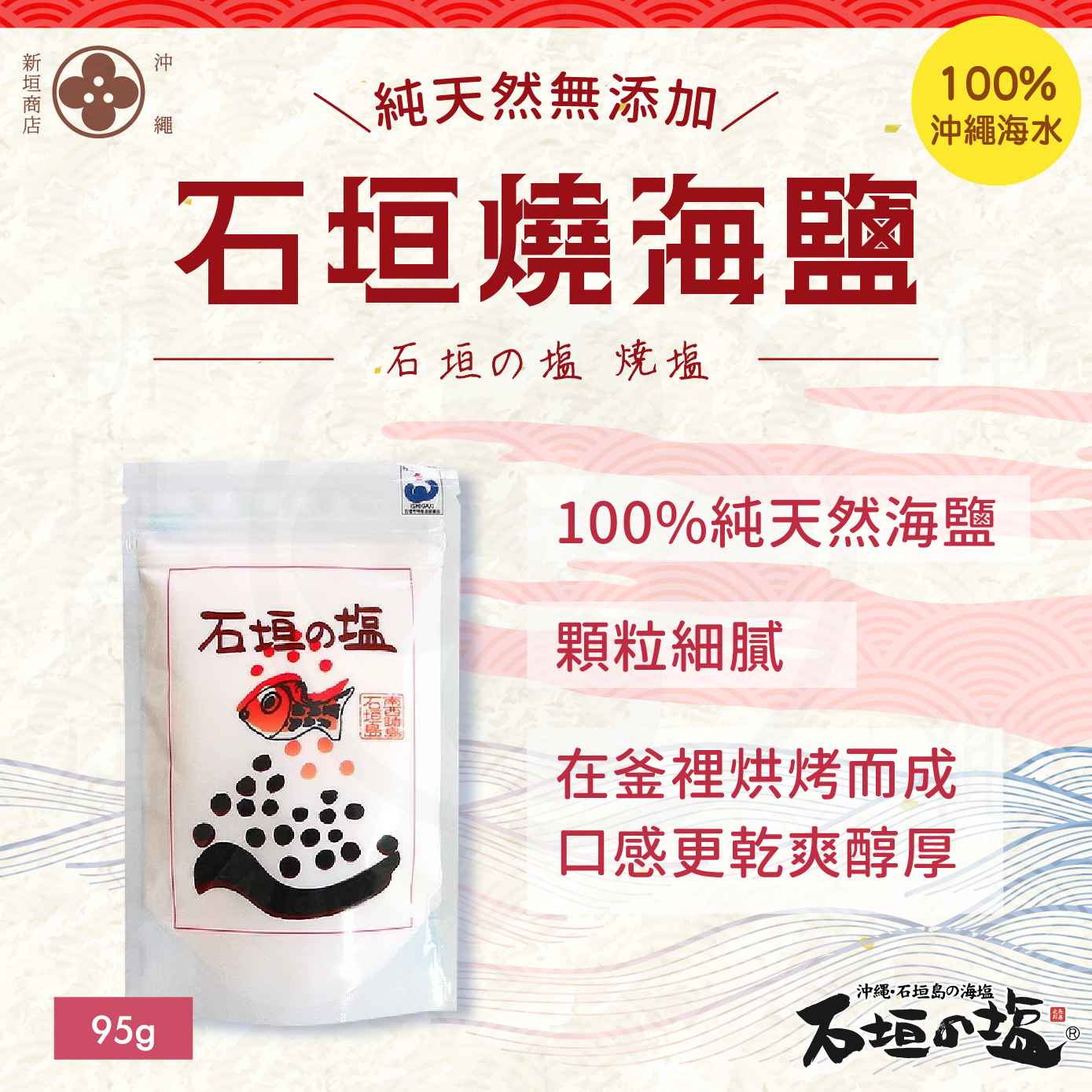
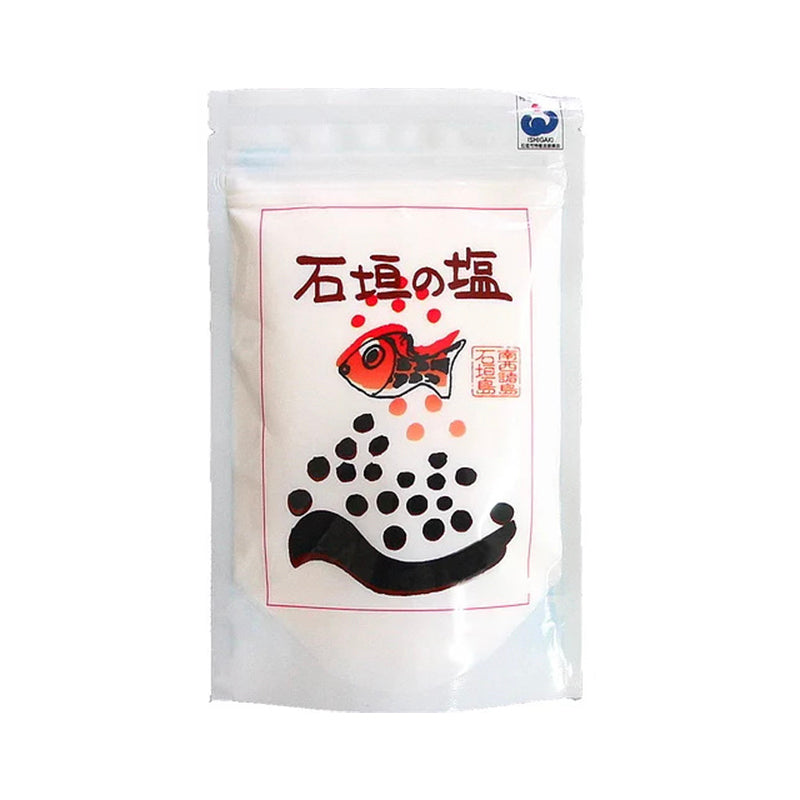
Ishigaki sea salt
Contents: 95g
Origin: Ishigaki Island, Okinawa, Japan Texture: Fine-grained, dry and smooth
Sea salt harvested from Ishigaki Island is baked in a pot to remove moisture, making it smooth and dry, suitable for use in salads, stir-fries, and other vegetable dishes.
Pair with salad dressing, olive salt, lemon salt, steamed vegetables, steamed potatoes, tomatoes, vegetable tempura, and boiled eggs.
Storage method: Store in a refrigerator or freezer.
*If placed in a damp place, the moisture will cause the salt to solidify and become difficult to remove.


Nakura Bay on Ishigaki Island, in the local dialect, can be interpreted as "a place where small fish gather".
The islanders would fish in this bountiful ocean to make their dinner.
Salt artisans from Ishigaki are dedicated to creating "delicious" and "safe" salt.
"Our top priority is harmony between humanity and nature."
In other words, people should not pursue a life of excess, and should cherish resources and energy.
"The origin of salt production lies in this vibrant Nagura Bay."
The History of Ishigaki Salt
The history of salt production in the Yaeyama Islands dates back to 1717, when islanders began drawing seawater from Nakura Bay on Ishigaki Island. Currently, about 18 islanders are involved in the production of "Ishigaki Shio" (Ishigaki Salt). Even our elderly grandfathers and grandmothers are our salt-making experts!
Artificial
Ishigaki Salt is made from 100% raw materials sourced from Ishigaki Island in Okinawa. It is produced by boiling the salt using a unique multi-stage evaporator and a low-temperature drying method. After low-temperature drying, it has a delicate texture and a moist feel.
Nutrition
Sea salt contains minerals, one of the five essential nutrients, including various types such as calcium, iron, and sodium. Minerals are components of bones and teeth and help the body function. Minerals are nutrients that the human body cannot synthesize and must therefore be obtained through food.
The role of minerals in sea salt
Minerals, which are part of the human body, help activate enzymes and improve metabolic function. A deficiency in these minerals can lead to health problems such as goiter and osteoporosis.
The main types and characteristics of minerals contained in sea salt
Sodium balances intracellular pH and osmotic pressure. Magnesium activates enzymes and is also a component of bones and teeth. Potassium balances intracellular pH and osmotic pressure. Calcium forms bones and teeth.
Sea salt vs. refined salt
There are many types of salt. Sea salt is extracted from seawater, while refined salt is produced by electrolyzing collected salt. The biggest difference between sea salt and refined salt lies in their composition.
Refined salt has undergone electrolysis to remove impurities, allowing only sodium chloride to pass through, thus losing minerals such as magnesium, potassium, and calcium. It is over 99% sodium chloride, giving it a much stronger salty taste than natural salt.
If you are looking for healthier salt, try choosing sea salt that is made by sun-drying seawater or boiling it in a large pot; it is rich in minerals.
The Secrets of Okinawa Salt
Okinawa is an island composed of coral reefs.
Okinawa is an island formed by the uplift of coral reefs, and the secret to Okinawa salt lies in these reefs. The coral reefs perform photosynthesis, purifying the seawater and releasing minerals. This means Okinawa possesses clear waters and abundant minerals, meeting all the necessary conditions for producing delicious salt.
Reduce substances that pollute seawater
Okinawa has no large industrial areas and fewer factories that pollute the seawater, which is also a factor in the production of delicious salt. In addition, the waters off Okinawa are also influenced by a warm current called the Kuroshio Current. This warm current helps decompose plankton and microorganisms, resulting in clear waters with low turbidity in areas where it flows.
Okinawa salt is sweet and delicious
Okinawa salt is often praised as "sweet and delicious." It is made from seawater from coral reefs and is rich in coral minerals, which gives it a sweet taste.
There are approximately 150 different types.
Okinawa has about 30 salt factories, producing more than 150 types of salt. The taste of salt varies depending on the production method and place of origin, and various types of salt can be used for different purposes. The emphasis on salt culture is also considered a reason for producing delicious salt.
Source: Ishigaki no Shio
Featured collection
Best Selling Products
![[Top product] Freshly squeezed 100% shikuwasa juice concentrate from the Yanbabu region of Hokuryu 500ml](http://okinawa-market.com/cdn/shop/files/Regular_Promotion-2-Hokuryu_B2G1F.jpg?v=1773646481&width=1080)
![[Top product] Freshly squeezed 100% shikuwasa juice concentrate from the Yanbabu region of Hokuryu 500ml](http://okinawa-market.com/cdn/shop/files/OAM_Meta_Ads-5.jpg?v=1773646481&width=1080)
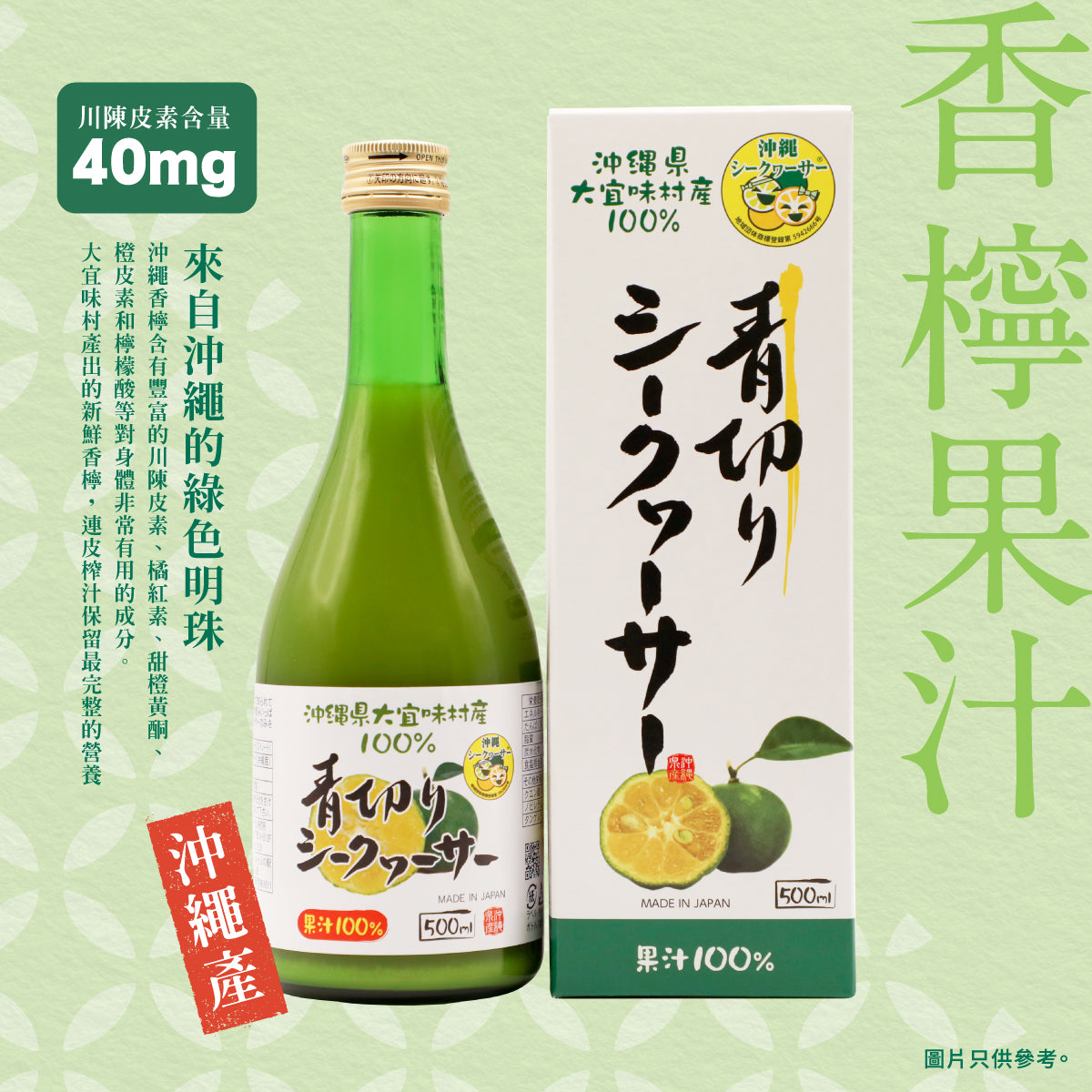
![[Top product] Freshly squeezed 100% shikuwasa juice concentrate from the Yanbabu region of Hokuryu 500ml](http://okinawa-market.com/cdn/shop/files/E1_e1486fdc-6d66-403e-b7d8-991f2df4be87.jpg?v=1773646481&width=1001)
![[Top product] Freshly squeezed 100% shikuwasa juice concentrate from the Yanbabu region of Hokuryu 500ml](http://okinawa-market.com/cdn/shop/products/C3.jpg?v=1773646481&width=1000)