

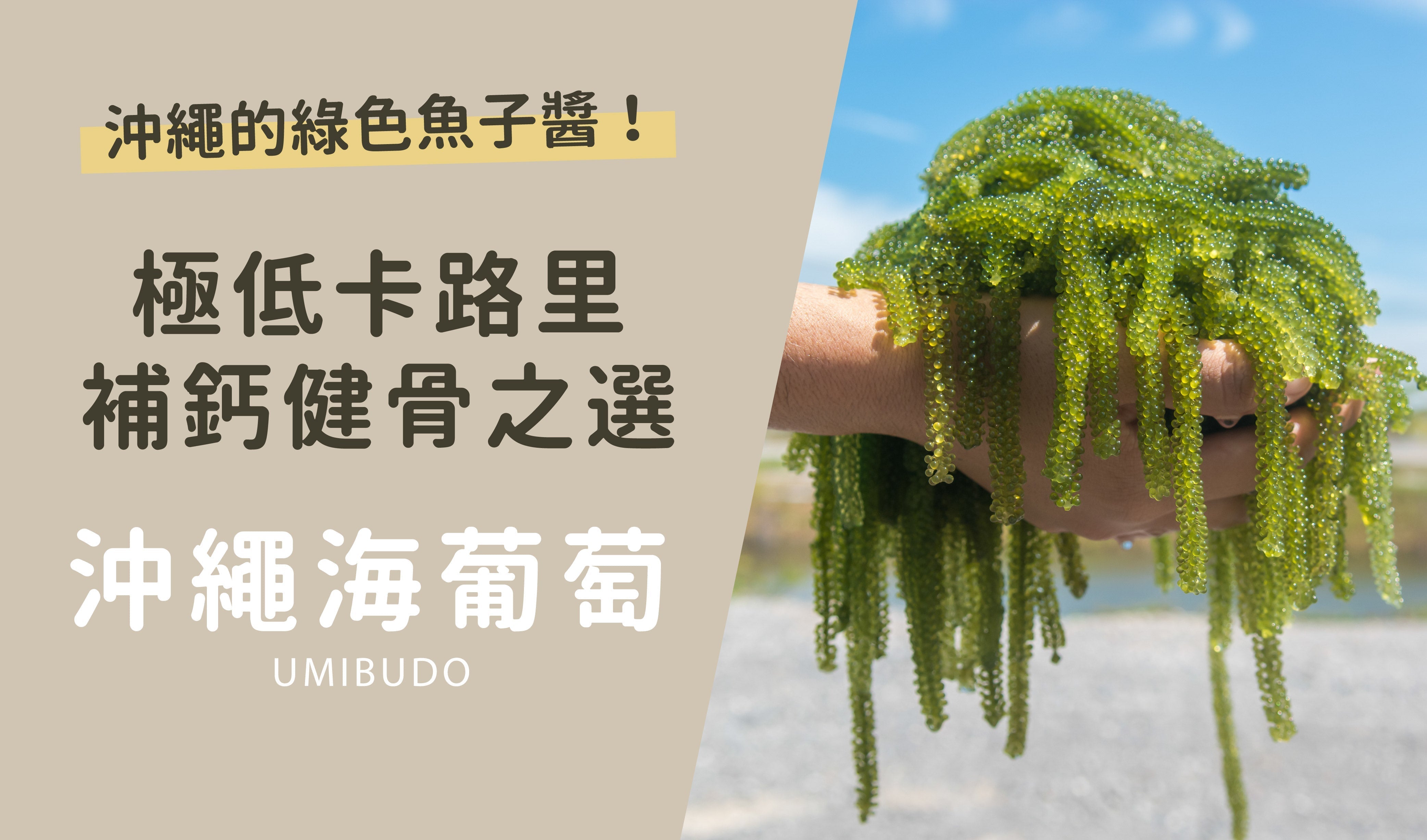
Okinawa's "Green Caviar" 🌟 Sea Grapes
What are sea grapes?
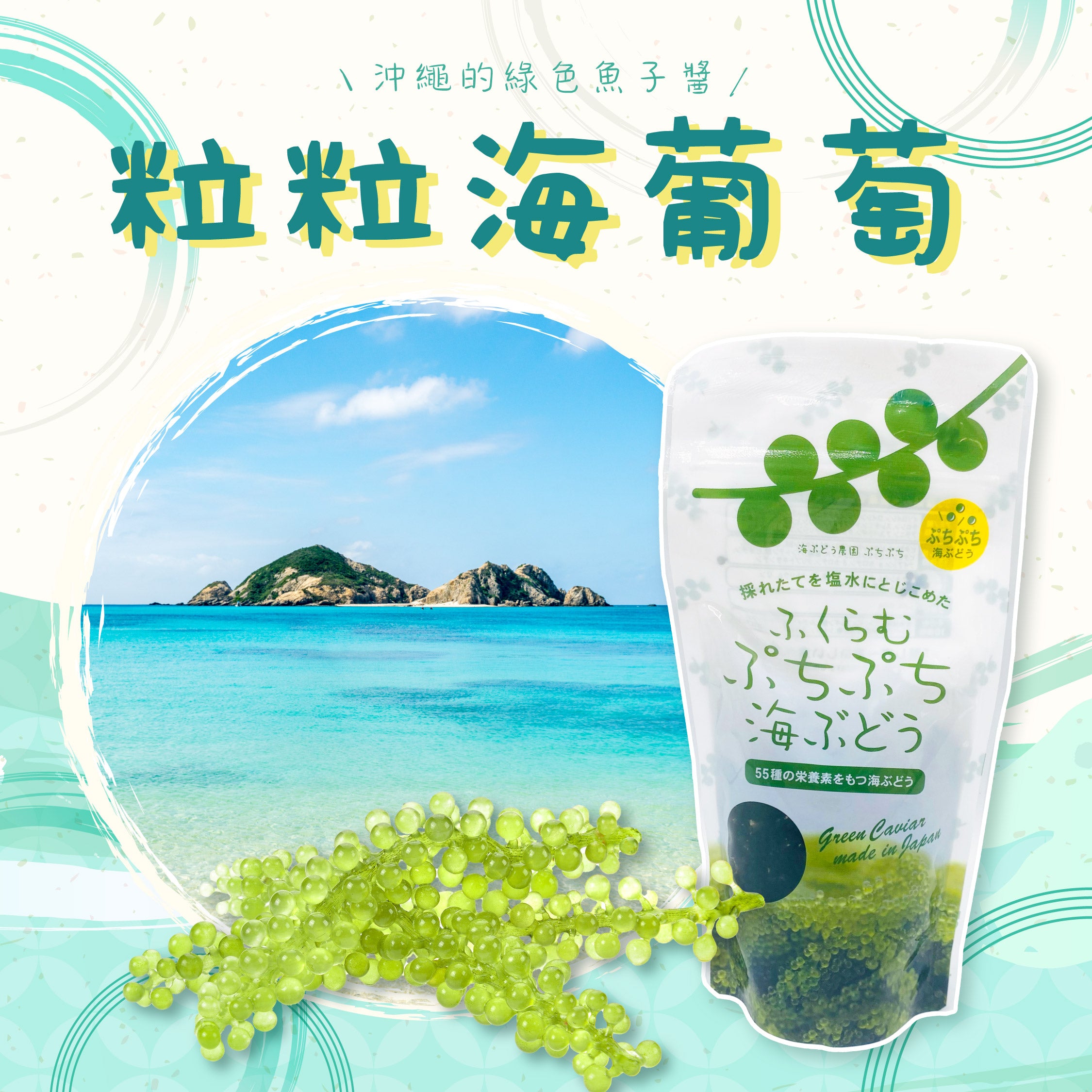
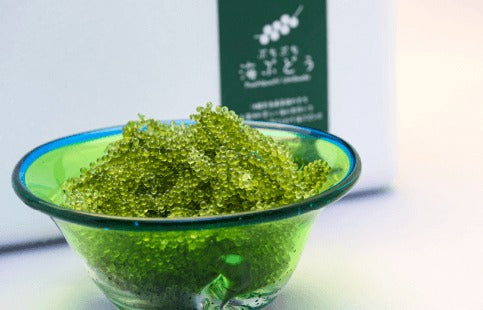
Sea grapes, a specialty of Okinawa, are an edible algae belonging to the genus *Gynostemma*, possessing a fresh, briny flavor and a clean, seaweed taste. Because of their unique, crisp texture, similar to caviar, they are also known as "jewels of the sea" or "green caviar." Sea grapes are rich in nutrients, containing calcium, iron, vitamins, and various minerals, and are extremely low in calories, making them a highly nutritious food.
Sea grapes only grow in shallow waters of tropical and subtropical regions, and the average temperature in Okinawa's waters is 25°C, making it ideal for their growth. However, sea grapes are delicate and easily damaged, making natural cultivation very difficult. In 1994, the Onna Village Fisheries Cooperative developed land-based aquaculture techniques, which led to the widespread adoption of sea grapes in Okinawa, where they have since become one of Okinawa's representative seafood products.

Nutritional value of sea grapes
Sea grapes are extremely low in calories , containing only about 4 to 6 kcal per 100 grams, making them a safe choice even for those on a diet. Rich in dietary fiber, minerals (especially calcium and iron), and B vitamins, they are popular among health-conscious and beauty-conscious individuals. Minerals such as calcium, magnesium, and zinc contribute to bone health, while magnesium and potassium help the body eliminate excess salt and are beneficial for beauty and overall health. Dietary fiber helps regulate the digestive system, aiding digestion and improving constipation. "Sea grape extract" is also a nutrient with beauty benefits, promoting metabolism.
Main benefits of sea grapes
- Low-calorie weight loss effect
- Skin beautifying effect
- Anti-aging effect
- Boost immunity
- Prevent chronic diseases, including hypertension and arteriosclerosis.
- Promote blood health
- Regulate gut balance
- Promotes healthy teeth and bones, and prevents osteoporosis.
- Mental stabilizing effect
Fucoidan
Fucoidan, a nutrient found in seaweed such as kelp and sea lettuce, is a type of water-soluble dietary fiber. Sea grapes from Okinawa contain particularly high-quality fucoidan. Studies show that fucoidan has the following benefits:
- Anti-cancer effects
- Boost immunity
- Antiviral effects
- Improve allergy symptoms
- Protect gastric mucosa
- Prevention of chronic diseases

Save method
Sea grapes should be stored at room temperature, with 20℃~28℃ being the ideal storage temperature. Refrigerating or freezing them will cause them to wilt and affect their crisp and delicious texture.
How to eat
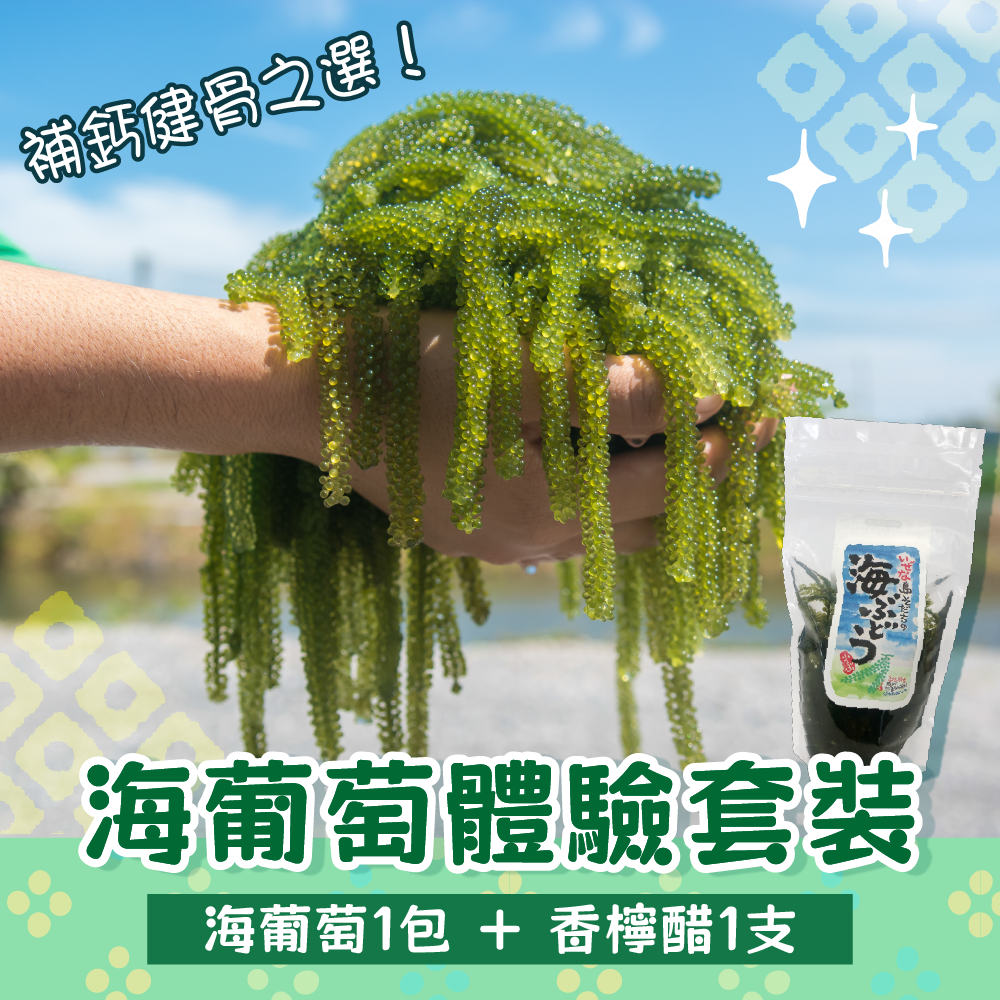
The sea grapes provided by our store are all preserved in brine packaging. Before eating, drain the brine, add drinking water and soak the sea grapes for about 1 to 2 minutes, during which time the sea grapes will gradually swell. Then rinse them twice. Rinse up to 3 times, then gently pat dry before enjoying. Sea grapes are fragile, so be careful during rinsing.
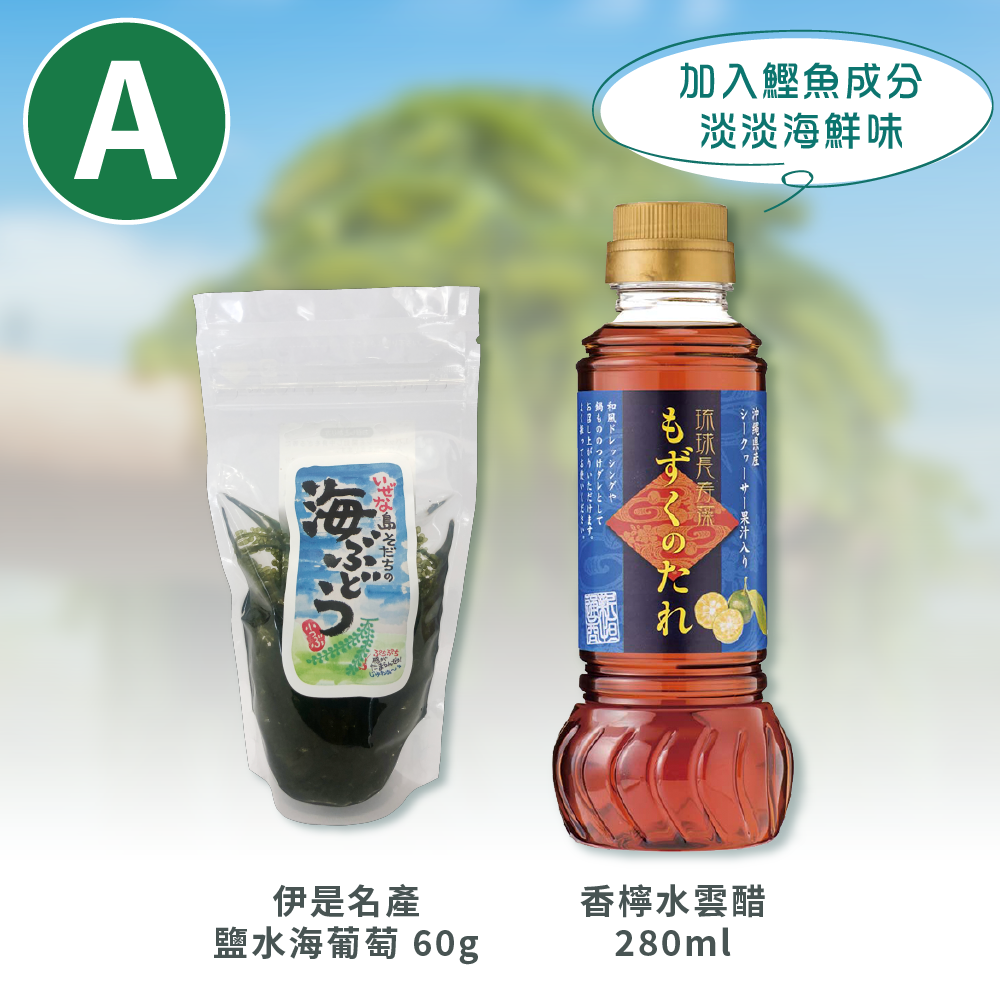
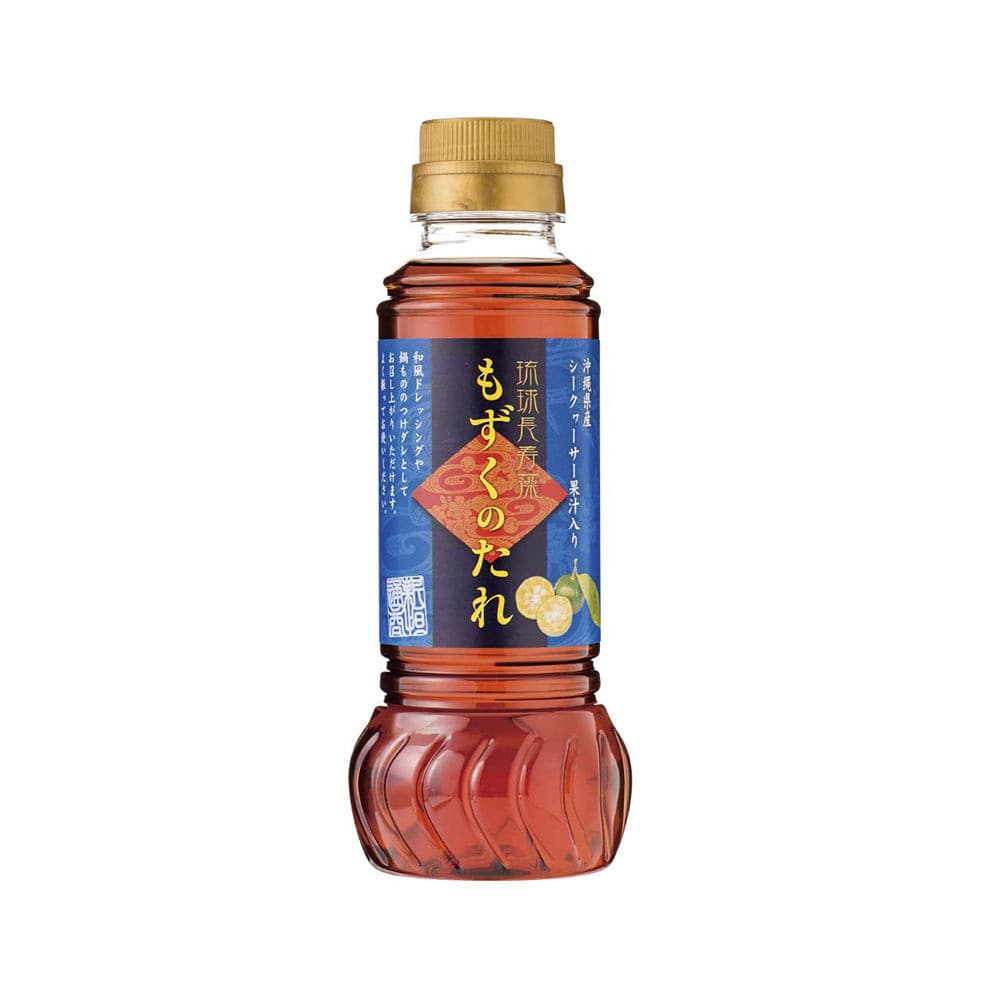
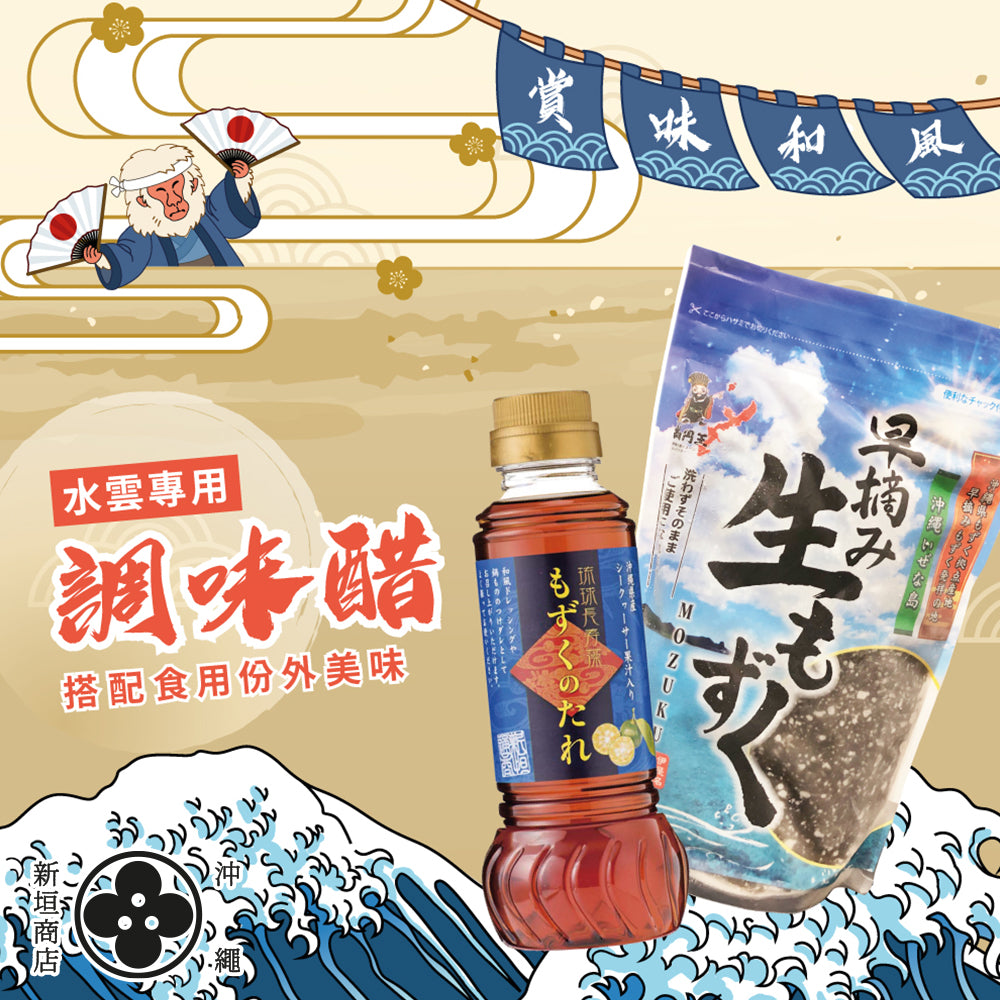
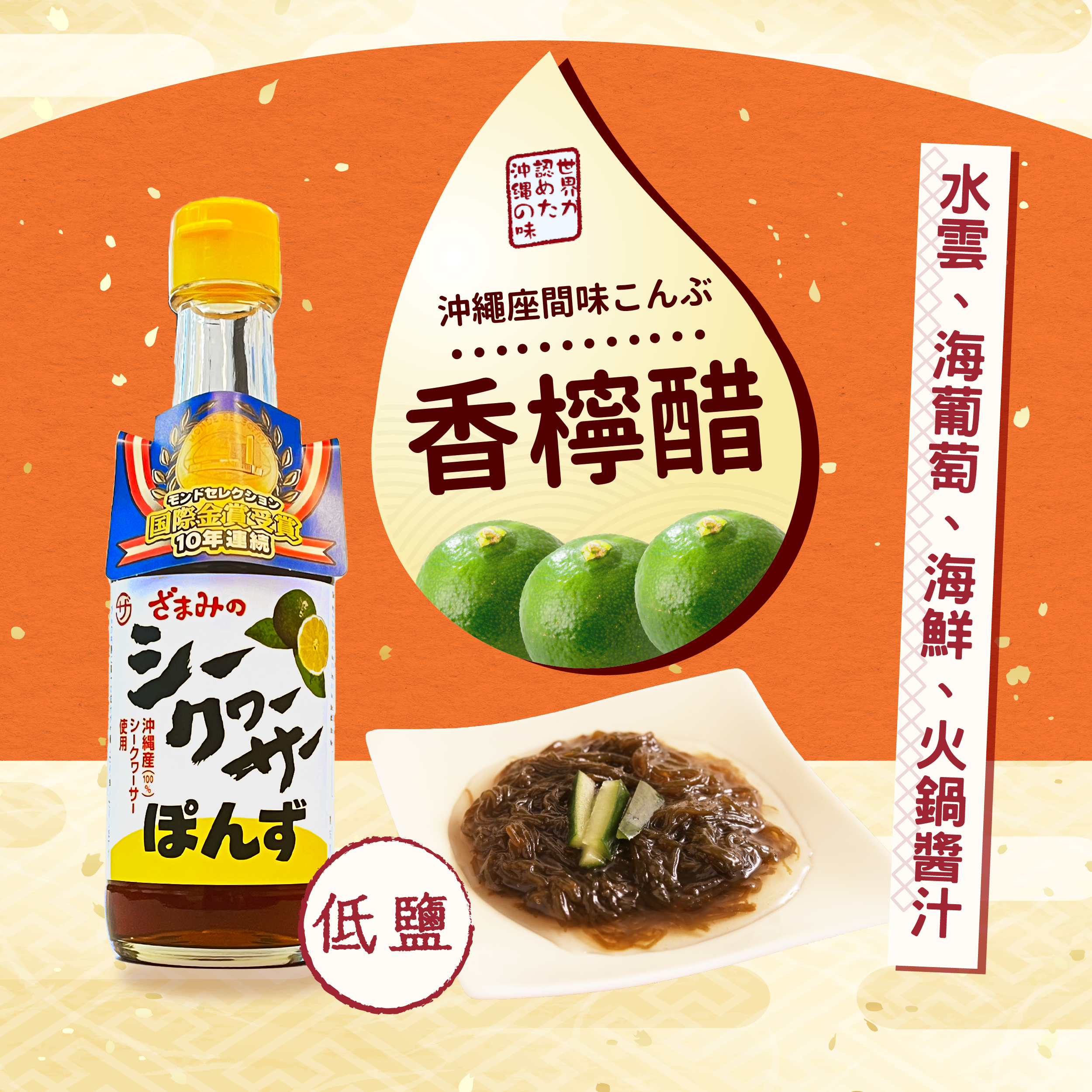
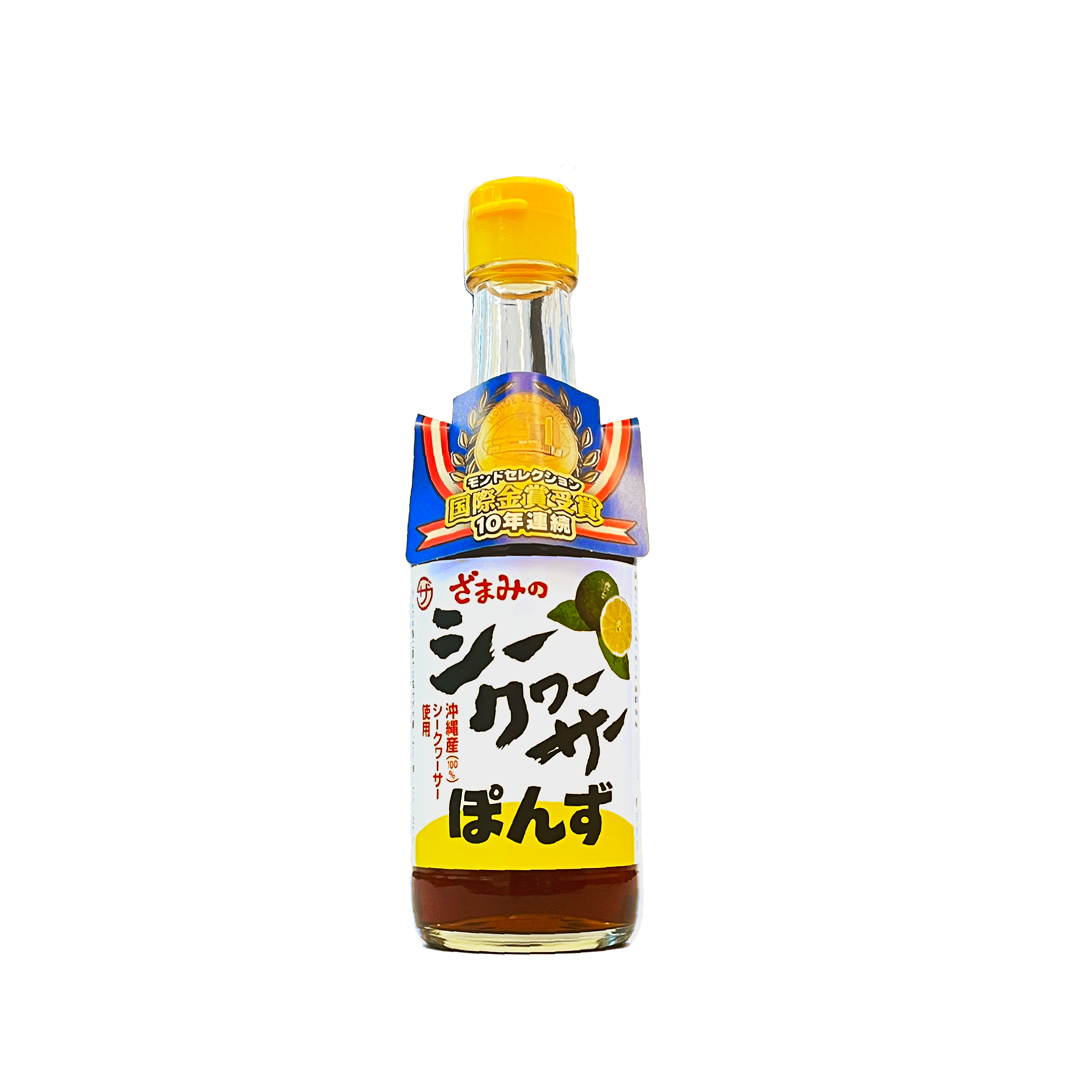
Sea grapes pair well with various sauces, such as yuzu vinegar and soy sauce. However, it's important to note that if you drizzle sauce over them and leave them for a while, the sea grapes will shrivel and lose their unique texture. Therefore, to enjoy the crisp texture of sea grapes, it's recommended to dip them in sauce rather than drizzling them over the grapes.

References
Umi asked "Umi Hako?"
SHUN-GATE: "Sea grapes," a specialty of Okinawa, created for the people of Onna Village.
NPO Fukuda Research Institute "Fフコイダンとは"


![[Latest arrival] Okinawa specialty shikuwasa vinegar 250ml](http://okinawa-market.com/cdn/shop/products/20220616-oam-fb.jpg?v=1760667224&width=1200)
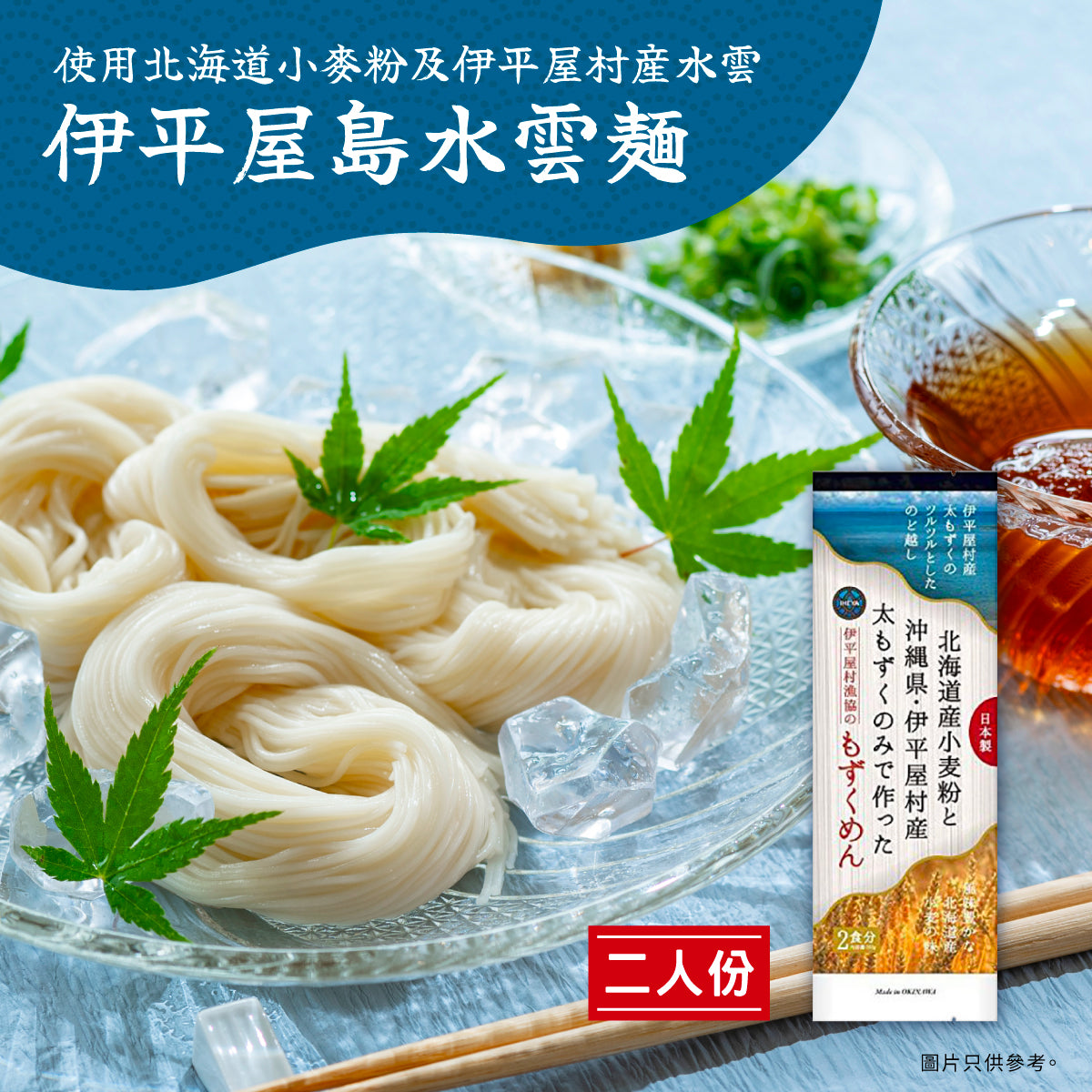
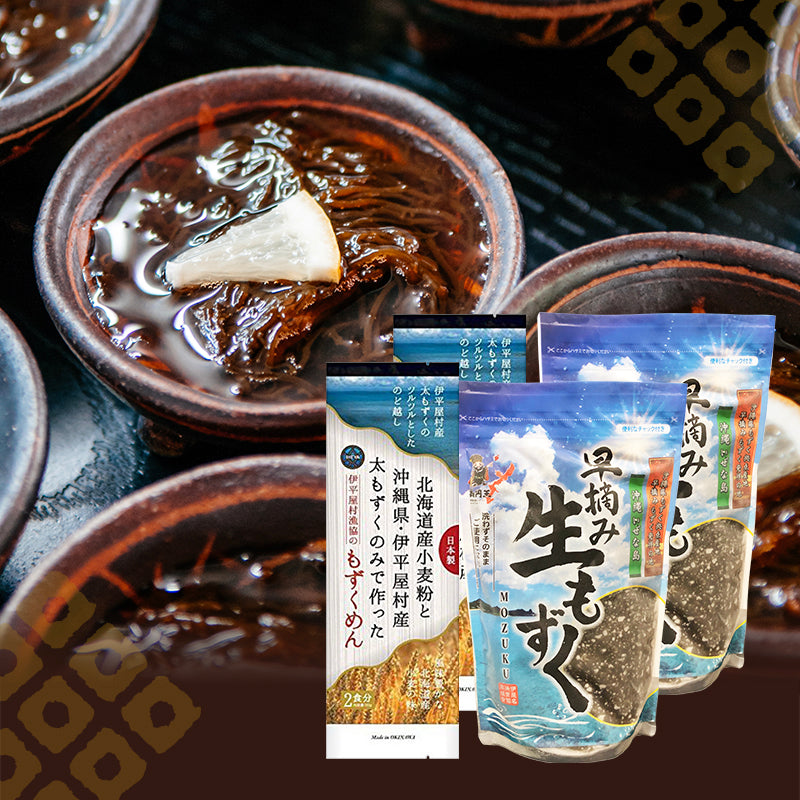
![[Latest arrival] Okinawa specialty shikuwasa vinegar 250ml](http://okinawa-market.com/cdn/shop/files/aqua_product-page_intro_2.jpg?v=1773646481&width=2083)



Leave a comment
This site is protected by hCaptcha and the hCaptcha Privacy Policy and Terms of Service apply.